Introduction
What kind of barefoot winter shoes you need is dependant on climate. Some winters are dry and snowy, some are mild and wet. Ice can be a consideration in some places, more so than others.
Your activity also influences the types of shoes you may need. If your only outdoor experience is walking from your car to the office, you can get away with less insulation and technical features. If you hike in -20 degrees Celsius, you will need something more substantial! And not to worry, there are still barefoot shoes that will hold up to extreme temperatures.
Find some winter-suitable barefoot options below and learn what features matter when temperature drop.
Ad/Affiliate Disclosure:
This page contains affiliate links. If you buy something through one of these links, I may receive a commission at no extra cost to you.
What makes a worthy winter shoe?
Upper, Inners, Insulation!
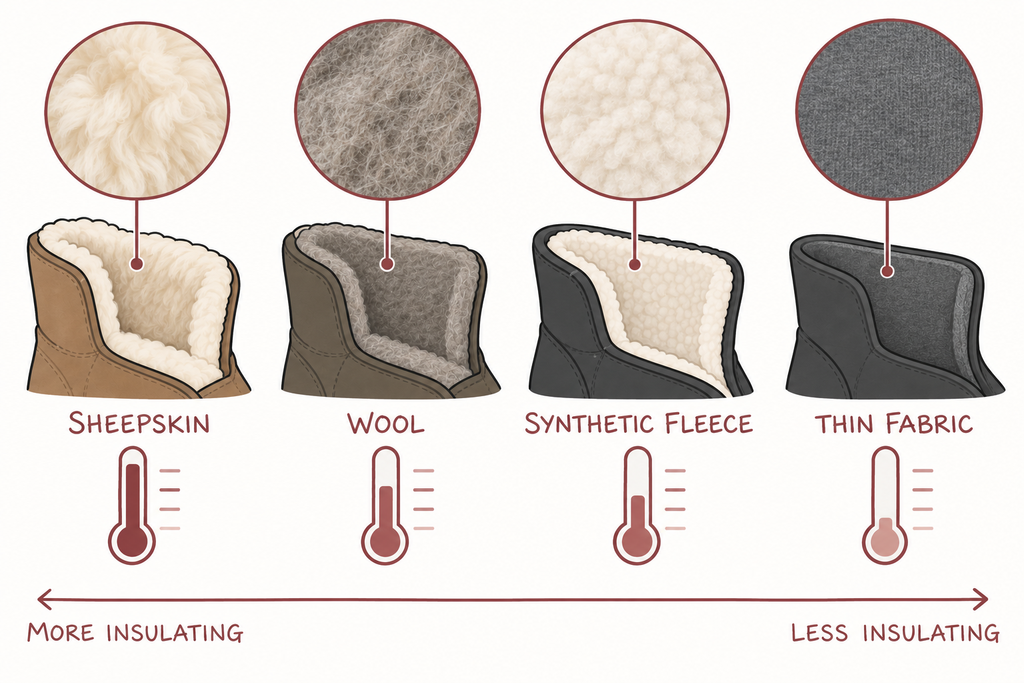
Obviously, the thickness and material of the interior plus exterior will impact how comfortable you will feel in low temperatures. Materials like fleece, wool, sheepskin will all provide decent warmth while still being breathable. Synthetic materials can provide more water resistant options at lower price points.
Thick wool interiors like in the Vivobarefoot Tundra ESC is ideal for the coldest conditions. Natural fibres are breathable, meaning moisture isn’t trapped inside the shoe, which can chill you further.
Synthetic fleece interiors are a popular option due to low cost of production. It’s easy to install inside models already in production, like the Barebarics Zing Frost, which is the insulated counterpart of the Zing.
Sheepskin lined boots provide excellent warmth, like the Softstar Phoenix. A full sheepskin boot is very warm, but lacks water resistance. For this reason sheepskin is a popular option for indoor slippers, like the Softstar Fireside slipper
Leather is a popular upper material as it is relatively weather resistant. Particularly if treated, it can be water resistant and provides a good balance of breathablity versus insulation in more mild winters. If you can get away with unlined or lightly lined leather boots in winter, you will have plenty of barefoot winter shoe options, like the gorgeous Peerko Empire.
Waterproof membranes are useful for wet winters, as they prevent some water ingress while still allowing some level of breathability. They will still compromise breathability versus a natural material like wool, but the compromise may be necessary if you are exposed to wet conditions. A popular combination is a leather or synthetic upper with a waterproof membrane, like the Freet Mudee.
Boot height is another important factor! A taller, insulated boot will keep more of your legs warm. Other than warmth, boot height is important in conditions with deep snow. You can get away with ankle height in milder winter conditions.
Soles
One cold-weather “limitation” when it comes to barefoot shoes is the need for flexibility and groundfeel. A thicker sole tends to mean more insulation from the cold ground, but there are some nice design features that allow barefoot shoes to still perform in cold weather:
Insulated insoles can be used and are often included when purchasing barefoot winter shoes. For example, Wildlings supplies wool and felt insoles. Some people buy generic wool or sheepskin insoles and cut them to size. Keep in mind this will impact sizing, as it will reduce the interior space of the shoe – you may need to size up. Vivobarefoot supply insulated insoles with synthetic layers including a reflective layer to reflect heat back to the wearer.
Outsole material can make a huge impact on slipperiness, as well as insulation from the ground. No shoes will be fully ‘slip-proof’ (for that you will need ice cleats), but some are slippier than others. If facing ice, look for grippy rubber soles and rugged lugs. The Vaistoa Hanki 2 is a good option, featuring traction pads.
Socks
I know, they’re not part of the shoe. But they are a very important consideration when shopping for barefoot winter shoes.
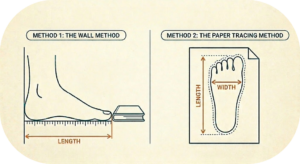
Impact on fit: thicker socks take up interior space in the shoe. You can measure your feet with winter socks on to help estimate the size you need, which might result in you needing to size up from your usual size. Length, width and volume will all be take up by the extra material. For general barefoot shoe fitting advice, check out this article.
Waterproof socks exist, made from neoprene or containing a waterproof membrane. These can be an option for those needing protection in wet conditions, especially if in shoes that are less than waterproof. Note that these are not ‘barefoot’ socks and might restrict toes depending on fit.
Thermal socks will have a big impact on how cold you feel in any shoes. Thick merino wool socks will provide a lot more warmth than a thin cotton sock. Make sure you choose socks with a wide toe area, otherwise your toes may be restricted! Some people find some success in sizing up. Some people go to the extent of knitting their own anatomical foot shaped socks.
Some Options for your Climate and Lifestyle
Good for mild to moderate cold and wet conditions
You can get away with minimally lined options with some level of water resistance.
- Freet Mist for wet weather hiking. Lightweight with a waterproof membrane. Check out the Freet Arken for even colder conditions.
- Shapen Cozy is a stylish boot for everyday winter wear. Wool lined and oiled leather upper. Check out the Shapen Frosty for something even warmer.
- Feelgrounds Patrol Winter have a synthetic upper and fleece lining that keep out the cold and wet, but at the cost of reduced breathability versus natural materials.
Good for dry cold conditions
You will want something warm, without compromising for waterproofing.
- Softstar Phoenix are a good sheepskin option, with slightly more resistance due to their leather panels on the upper. Still perform best in dry conditions.
- Zeazoo Dingo are made from sheepskin. Ideal for keeping warm, not ideal for getting wet.
- Wildling Koselig do feature a waterproof membrane, but with their lovely wool upper, you probably won’t want to wade through slush.
Good for exteme cold
We are veering into more specialist territory here. If you live somewhere near the arctic circle, or with extreme inland winters, you will need something more substantial.
- Vivobarefoot Tundra ESC designed for cold weather expeditions, built for extemely low temperatures with their wool inner boot.
- Vaistoa Hanki 2 features a 3M Thinsulate lining, making a boot that can wade through snow.
- Steger Mukluks are primarily for dry cold, but can be made more waterproof with treatment. They are not a ‘barefoot brand’ but are a popular compromise where warmth is essential. Linked are the arctic model, but less ‘heavy duty’ options are also available.
Can Barefoot Winter Shoes Actually Stand up to the Cold?
Yes! With the benefit of actually being comfortable and even stylish. Having your toes not pinched ensures that blood flow to your extremeties is good. Having space around your toes means there is more air to insulate them – air being an excellent thermal insulator in a shoe!
Choosing suitable materials, socks and even adding insoles increases the performance of barefoot winter shoes in the coldest conditions. As outlined above, plenty of more and less technical options are available for all types of climate and activities. The main problem will be in choosing out of the numerous options.