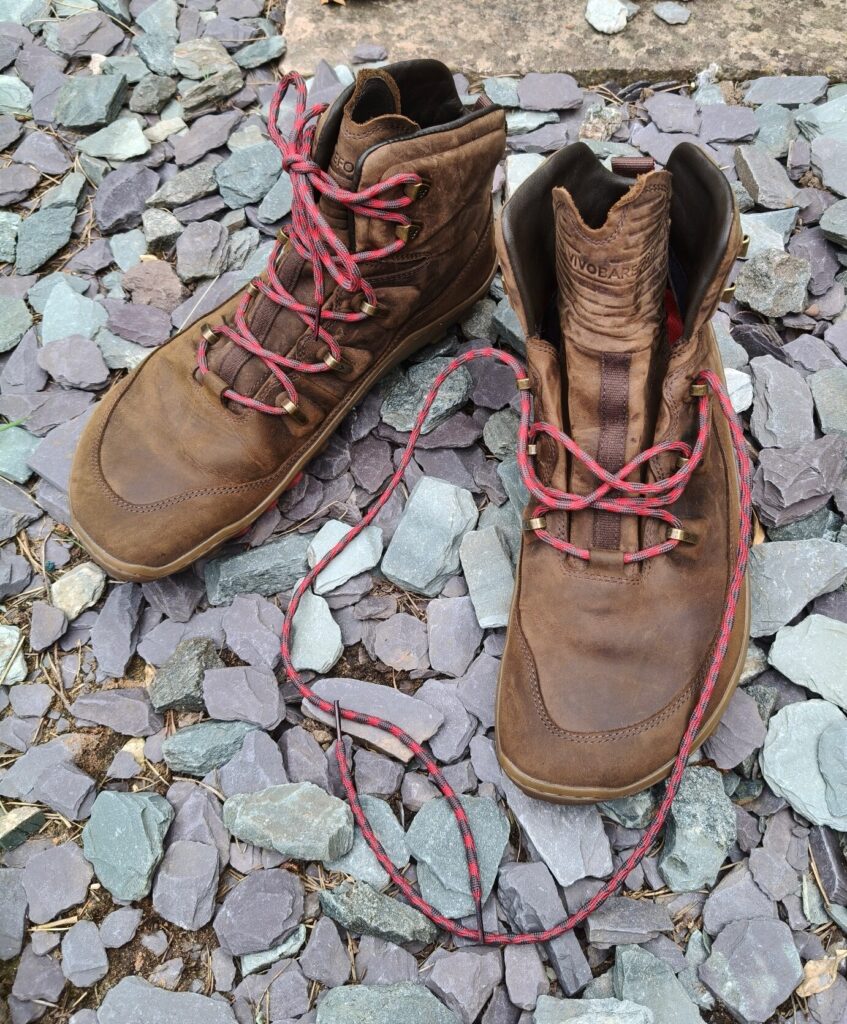
The tracker and its many iterations form one of the primary Vivobarefoot boot lines. This review is of the Vivobarefoot Tracker AT II, see my thoughts on this all-rounder below! To decode the model name: AT stands for ‘all terrain’ – i.e., suitable for both slippery mud and firmer ground. The II is because it’s a 2nd generation iteration.
Learn about the differences between the tracker models below in the FAQ at the end of the review.
Quick Summary:
- Brand: Vivobarefoot (UK based)
- Model: Tracker AT II hiking boot in Bracken, Men’s version in size EU 43.
- Price: £200 as of Sept 2026.
- Style: Leather hiking boot – stylish and rugged.
- Materials: Outer is leather ‘wild hide’. Interior is cotton. Thermal foil-lined insole included.
- Barefoot Rating: 7/10
- Zero Drop: Yes.
- Wide toe area: Relatively wide. Men’s are wider than women’s model.
- Thin, flexible sole: For a hiking boot with rugged lugs, great flexibility. Not the thinnest sole, but that’s by design.
Vivobarefoot Tracker AT II Review Verdict: A luxurious high-end hiking option. They look great, perform great and are comfortable. The price reflects the premium materials and build, not just branding. They are an all-rounder but are not the best option for very wet conditions. If the price-tag is an issue, you may be able to find cheaper 2nd hand options on Revivo or use a Vivobarefoot discount code (check their website for details).
First Impressions
Fit & Sizing
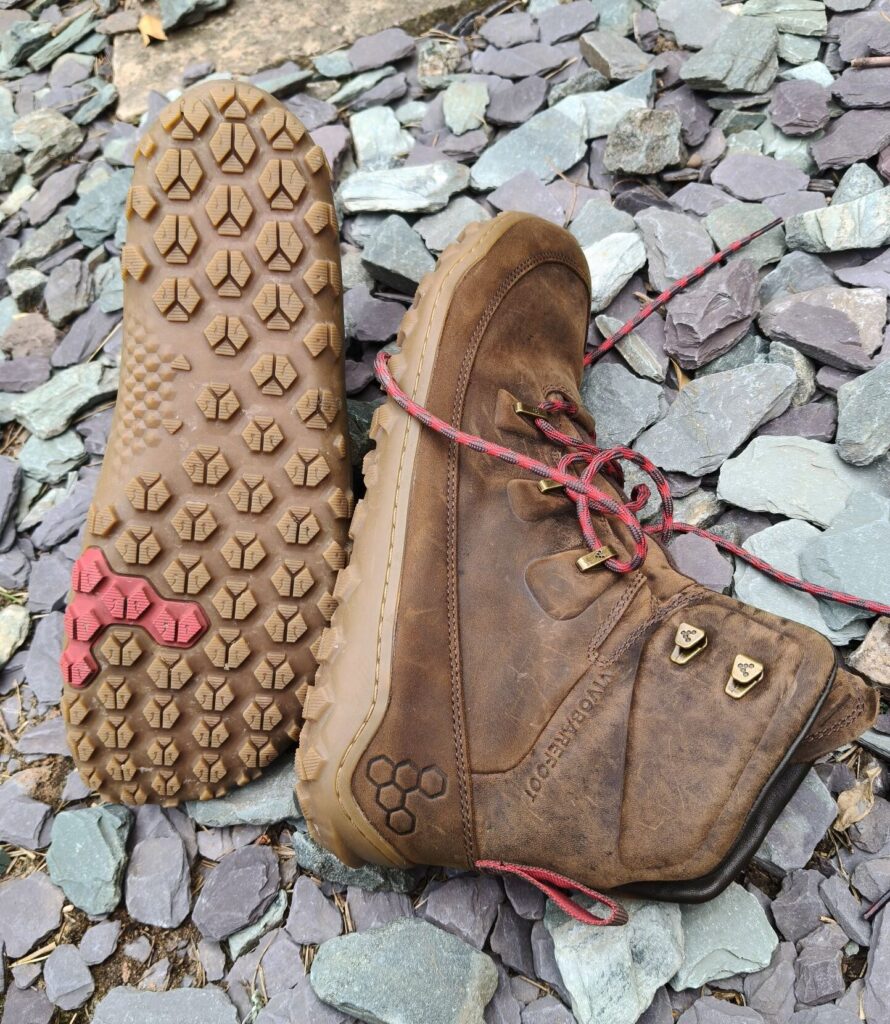
Design & Construction
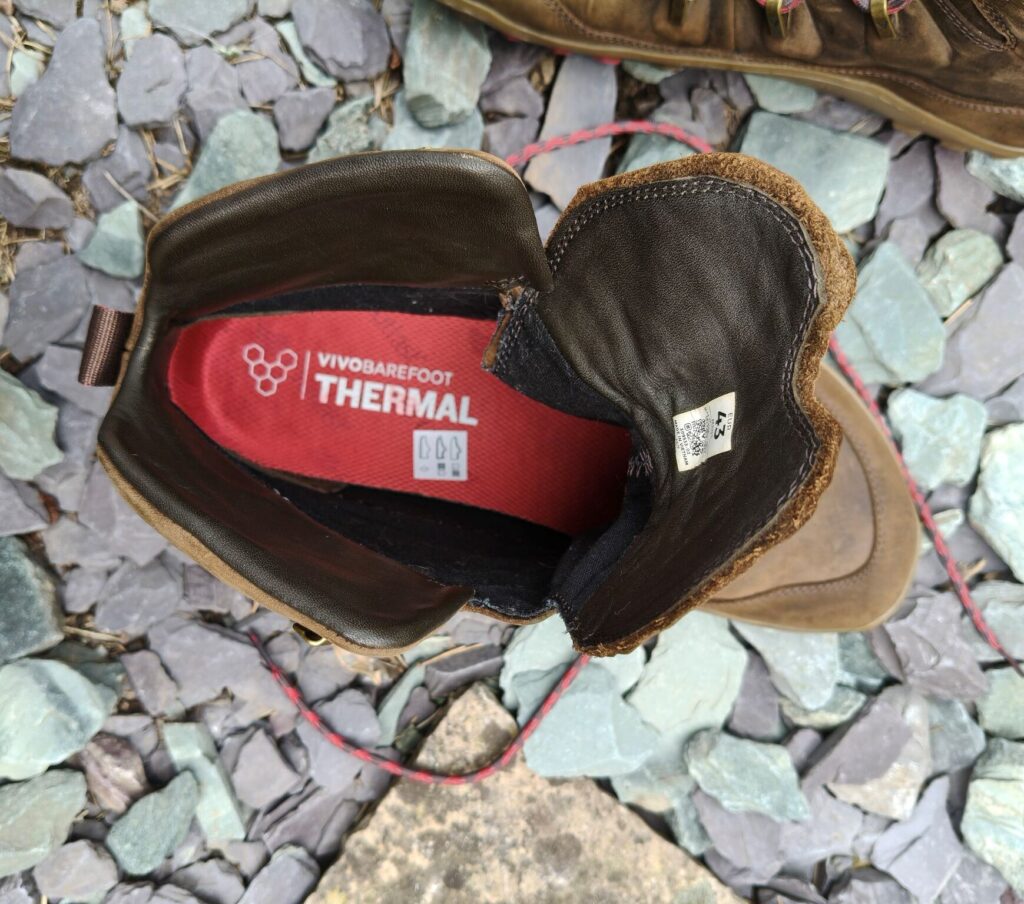
Usage & Final Thoughts
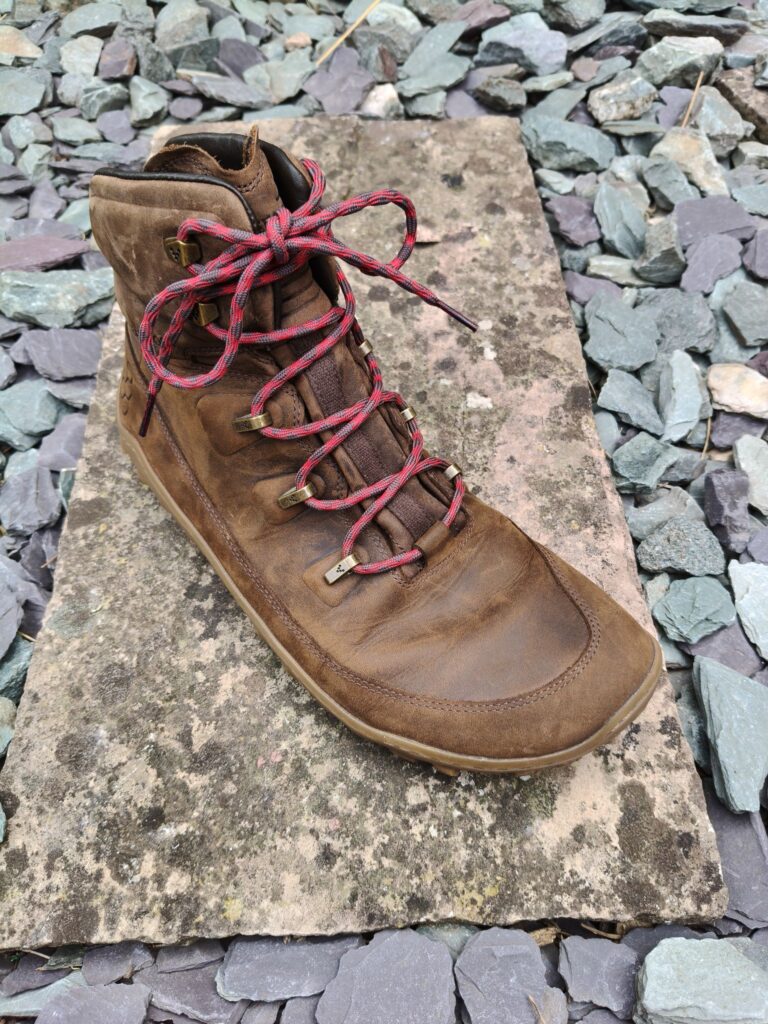
Frequently Asked Questions
Is the Vivobarefoot Tracker AT II better than the other Tracker boots / Which Vivobarefoot Tracker is the Best?
There are LOTS of iterations of the tracker. At the time of writing, these models are currently being sold new by Vivobarefoot:
- This model being reviewed: Tracker AT II (a leather all-terrain breathable boot)
- Tracker AT II Low – the low top version.
- Tracker AT II Low Suede – the low top version in suede.
- Tracker Forest Esc – a ‘temperate forest’ boot. Still leather, slightly higher at the ankle and potentially slightly heavier duty.
- Tracker Winter SG III – Contains a synthetic thermal lining and better lugs for soft ground (hence ‘SG’).
- Tracker Pioneer WP – a tall, well insulated, waterproof winter boot for cold conditions.
- Tracker Tova Mid – an ‘urban’ boot with elastic laces and a quilted upper.
That’s not including the discontinued models, such as the original trackers in the ‘FG’ (firm ground) and ‘SG’ (soft ground) versions. Some models incorporated a waterproof membrane. The Tracker AT II does away with the membrane. It’s not ‘better’ or ‘worse’, just different: now water resistance is decreased, but breathability increased. Which model is best for you depends on your intended use and preferences.
Is the Tracker AT II suitable for winter hiking?
Yes, in relatively mild UK winters, especially when the thermal insole is worn. You can wear thermal / wool socks for increased warmth. This isn’t advertised as a ‘winter boot’ and the leather upper means it’s rather breathable, but it would certainly be warm enough for less extreme winter conditions and temperatures.
Is the Tracker AT II suitable for Summer hiking?
Outside of particularly warm conditions, yes. It’s not a specific summer hiking boot, it’s a substantial leather boot that covers the ankle. The plus side for summer is that the insole is removable and the boot is relatively breathable. If you want something cooler for hot weather, there are other models provided by Vivobarefoot or other retailers, If you need proper hiking boots for summer, it will do, but there are less warm options available from Vivobarefoot or other brands. Like the Vivobarefoot Jungle Esc boot (built for jungles!) or the Freet Kidepo.
Does the Tracker AT II have a wide toe box?
It’s wide enough to firmly be classified as a barefoot shoe, but not the widest. It’s very dependant on your foot shape, due to the sloping of the outside of the shoe. It will work better for Egyptian or Greek shaped feet, rather than those with blocky, square toe profiles.
If you need more width, go with the men’s version. If you have narrow toes and don’t like the extra space, go with the women’s. Design wise they are identical, just slightly differing fit in terms of width.
Is the Tracker AT II actually waterproof?
No, the upper is not waterproof. There is no waterproof membrane and leather is only somewhat water resistant. The sole is bonded and quite weather resistant and the tongue is gusseted, so they will be fine in wet conditions still. They would not be suitable for being submerged. You could potentially treat them with a water repellent leather treatment to increase resistance (potentially at the expense of breathability).
If you want an all-rounder hiking boot more resistant to water you can try to find the older Tracker boots with the membrane or try another model or brand. You will struggle to find a truly waterproof boot that isn’t a rubber rainboot / wellington, but clever construction and membranes can make a shoe near enough waterproof. The Vivobarefoot Tracker Winter III SG is listed as waterproof.
Is the Vivobarefoot Tracker AT II worth the price?
At £200 it’s dependant on what you want from a hiking boot. This boot will get a lot of use if you hike year-round in moderate temperatures and it is built well enough to last. If your budget allows and you’re in the market for a genuinely functional and comfy barefoot hiking boot, this is ideal. If you need something specific to more extreme weather conditions, need something lower cost, or something that can stand up to a lot of water, there are better alternatives. Keep in mind no boot can do everything well. Cheaper used options are sometimes available on 2nd hand marketplaces and on Revivo (Vivobarefoot’s own used shoe refurbishing business).
Is the Tracker AT II suitable for everyday wear?
If it fits your aesthetic, why not! They are comfortable enough to be worn around town, but I personally prefer something less substantial for everyday wear running errands. They are more usable on concrete than the ‘SG’ (soft ground) tracker models, where the concern is wearing down the softer rubber sole and spikier lugs prematurely. They are not “work suitable”, unless you work outdoors – in which case perhaps they are an excellent work option for someone working as a gardener or similar outdoor roles.