REVIEW: Freet Keld II review – how does this barefoot summer hiking shoe hold up after a year of wear?
The Keld is Freet’s line of breathable, mesh, low-cut hiking shoes. There have been currently 3 iterations, with the Keld III being the latest. I purchased the Keld II a year ago and put it through its paces in the long dry summer. Read my Freet Keld II review below to see how it held up, what to be careful of, and how the newer Keld III differs.
Keld III is now £75 (Oct ’26), my Keld II was bought reduced at £50.
WEIGHT
1x shoe is 222g
TESTED SIZE / PLUS12 SIZE
UK 9 / ~27.6 cm
SOLE THICKNESS
Not measured
Five Toes Free Shoe Profile
TOE BOX
Tapered
0
Foot-shaped
FLEXIBILITY
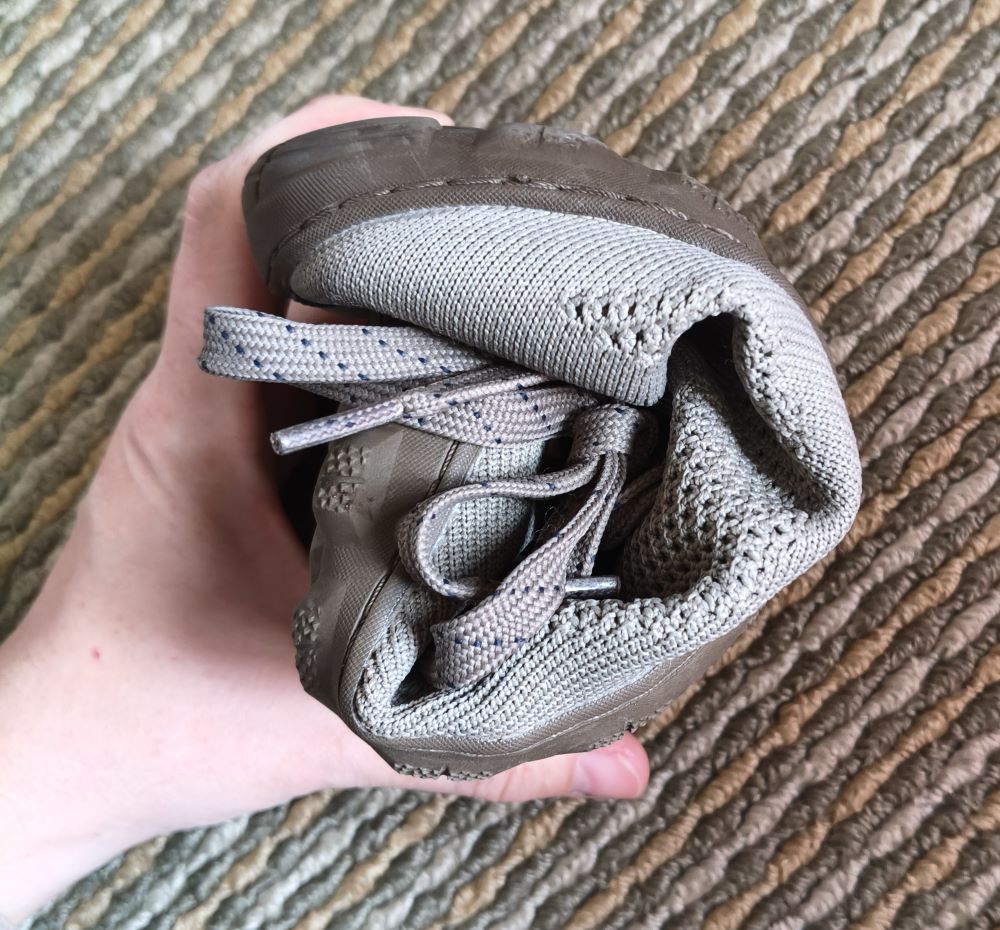
Stiff
0
Very flexible
GROUND FEEL
Muted
0
Very direct
WEIGHT
Heavy
0
Very light
GRIP
Minimal
0
Aggressive
WEATHER PROTECTION
Low
0
Resistant
BREATHABILITY
Low
0
Very High
The verdict
Incredibly comfortable, flexible sole and upper, and holds up well to its intended purpose. Perfect for warm weather walks or hiking as they’re do breathable and lightweight while still having a rugged sole. Sole can be slippery when wet on indoor hard floor, but does well outdoors. Not bad value at all with the newer model coming in at £75.
First Impressions
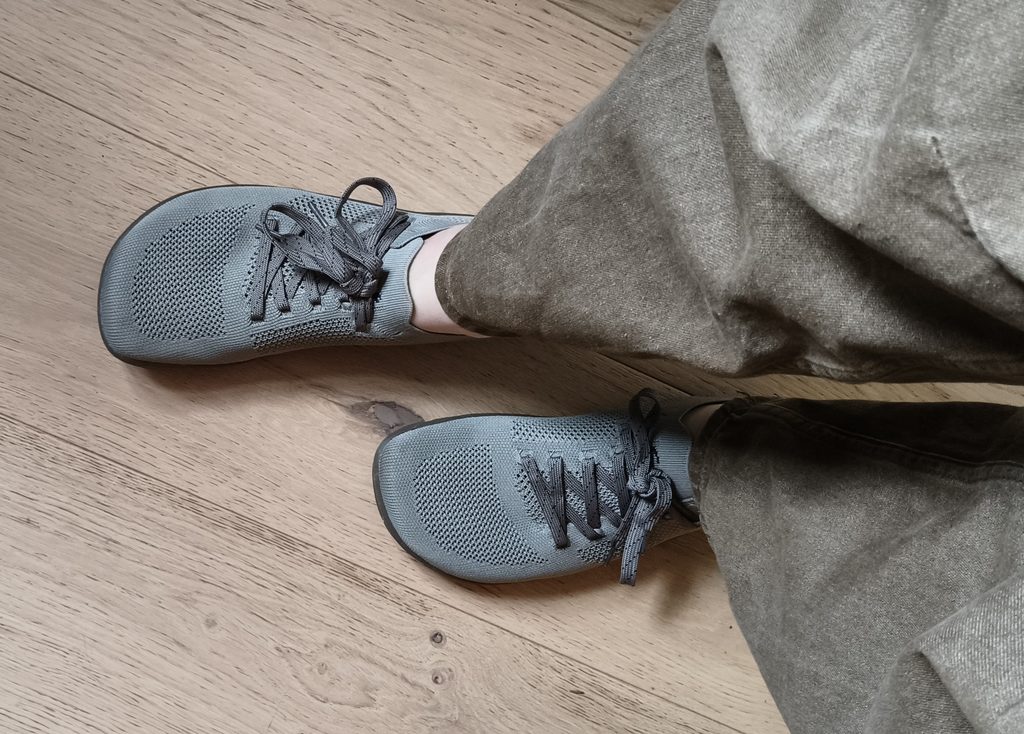
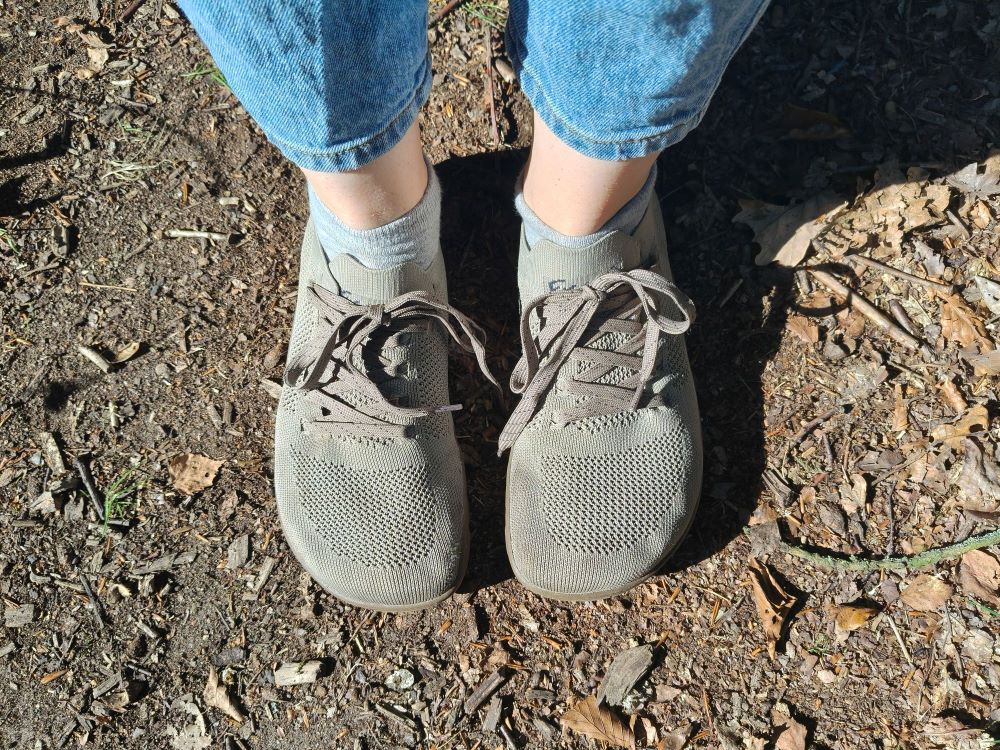
Someone somewhere posted a picture of the Keld II from top down and I fell in love with the perfectly shaped (for me) toe box and the neutral khaki colour.
Thankfully, Freet are pretty good at frequently updating and improving their range. This means there are opportunities for bargains when the old models need to be moved out to make room for the new. I grabbed these Keld II before the Keld III release.
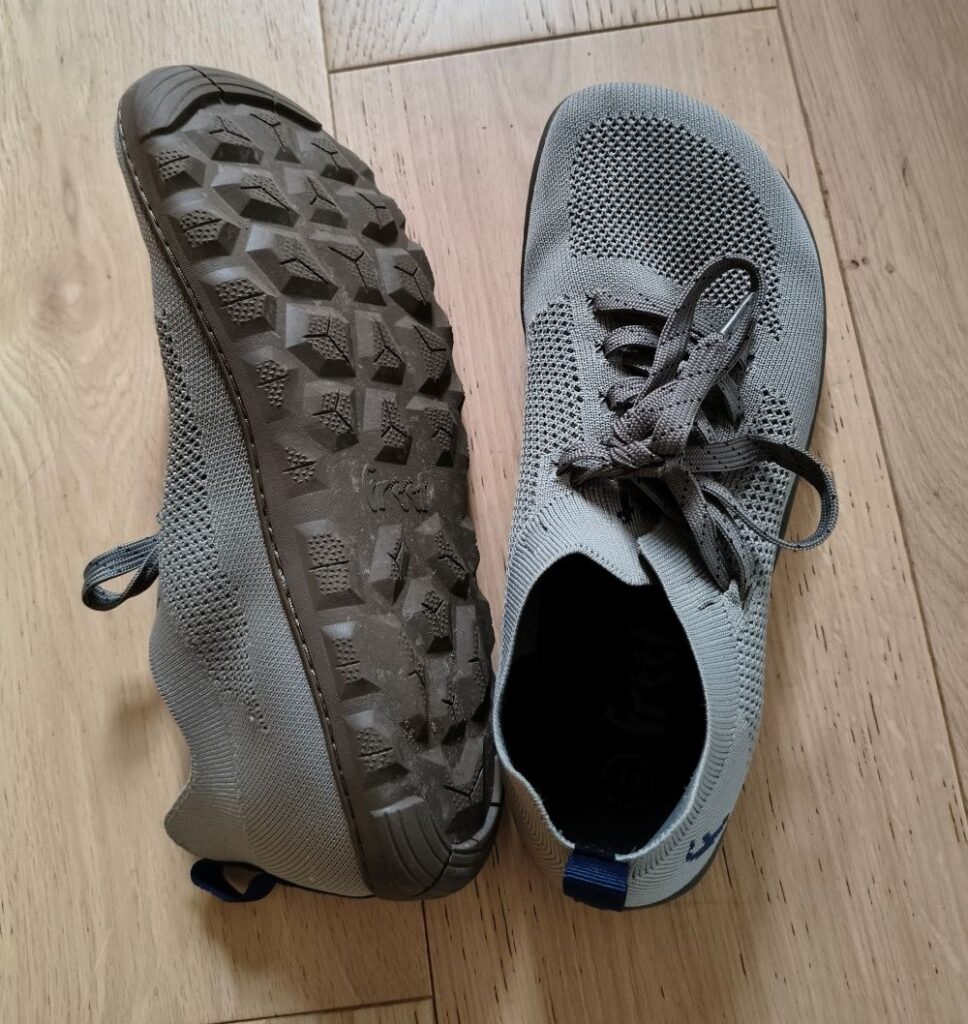
I’ve seen the Keld III up close and noticed the main differences appear to be the lacing and tongue style as well as the Keld III having a lighter coloured sole. The Keld II has a ‘continuous’ tongue that us formed from the side of the shoe just continuing under the other side. The Keld III has a proper separate tongue between the two sides of the shoe.
Fit & Sizing
The UK 9 / EU 43 in this shoe has a 276mm insole length, while my feet are 27cm, suggesting around 6mm of room between my toe and the end of the shoe. Insole length can sometimes be a tiny bit shorter than the entire ‘interior length’ due to the £D space of the toe box, but the Plus12 tool measured this shoe at exactly 276mm!
The toe box shape is close to my own foot shape and the upper is very malleable and flexible, so 6mm of wiggle room feels like plenty. Being a warm weather shoe, these are likely to be worn with thin socks or without socks at all, so extra room for warmer socks isn’t needed.
Like a lot of Freet shoes, these are better for moderate to high volume feet. I have to make sure I don’t over tighten the laces at the front as it would create puckering due to the amount of material. I also have to keep the insole in, as they will be too roomy without it. The Keld III may differ here in adjustability due to the tongue being separated from the upper more.
These shoes are extremely comfortable – the upper is sock-like in the way it moulds to the foot. I imagine these would accommodate a fairly wide foot on account of the stretch in the upper.
Design & Construction
The upper is a knitted synthetic mesh that breathes really well due to little gaps in the material. These are very wearable in summer but can stretch to shoulder seasons a bit with the addition of socks. My concern of knitted uppers is snagging and pilling, but these are hard wearing and not easy to create pulls on due to the tightly knitted plastic material.
The neutral khaki colour is versatile and the styling is decidedly casual – these will look out of place with more formal outfits, but you can get away with wearing them in most casual clothes.
The insole isremovable, but you may need it in to fill some space if you have lower volume feet. It adds an extra 3mm to the 6mm stack height, but it really doesn’t feel like a thicker shoe. Freet use their AirMax insole in the Keld II model, and the ReBound 4mm one in the newer Keld III. The AirMax one already feels fairly responsive and bouncy. It’s really nice on harder ground and doesn’t deaden groundfeel too much. The groundfeel will never be close to something with <5mm stack height (like some Wildlings), but for a hiking/trail shoe it’s still decent.
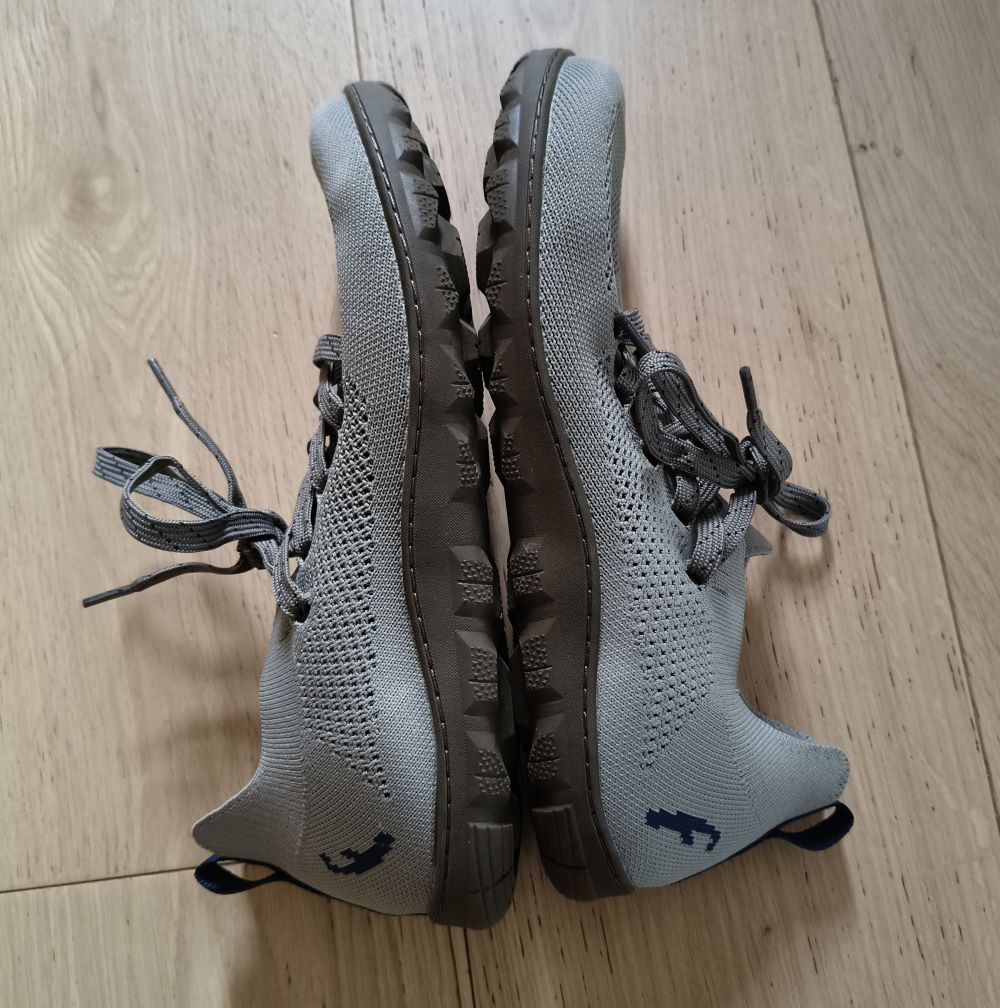
The sole is the most substantial part, but it’s still very flexible and has a bit of bounce to it like the insole. The lugs are designed for grip on natural surfaces, particularly in dry conditions, and for that they work really well. I did notice they are very slick on smooth artificial surfaces if they get wet at all! Be warned.
On more technical trails and hikes the knitted upper might not provide enough support to really keep your foot in place on the sole, it can feel a bit sloppy if your foot is being forced sideways on a slope.
Usage & Final Thoughts
I really look for opportunities to wear these shoes as they’re honestly so comfortable. They really are more for warm weather, as they are very permeable to water (although dry very quickly) and the slickness of the sole when wet means you need to be careful on wet days around town.
They have good barefoot credentials and are well made, so at £75 for the updated Keld III model they’re a good buy for someone wanting a outdoorsy summer shoe for dry weather walking and hiking.
People with particularly low volume feet may struggle with the space in the shoe, but for most they can make it work.
What are the differences between the Freet Keld models?
The OG Keld came in black, but the design is similar to the Keld II. The Keld III differs from the Keld II in the tongue design, the sole colour, the insole and stack height (Keld III being very slightly higher).
Are the Freet Keld II good for wide feet?
Yes, the toe box is wide and accommodates all but the most squared-off toe profiles. The knitted upper and large amount of volume in the shoe means there is plenty of space for wider feet to spread.
Should I leave Freet Keld II’s insole in or take it out?
If you find the upper is puckering and hard to get tight enough, leave it in. If you find it tight, of course take it out. If fit isn’t an issue, taking it out will provide more ground feel while leaving it in provides some more cushioning – it’s down to preference.
How do the Freet Keld II perform for hiking?
They are excellent in warm and dry conditions – the lugs means the grip is excellent and they are so airy and light. Feet may move around in the shoe too much due to the knitted upper if you are on very technical ground (e.g., scrambling). They are ok on natural wet ground, but can be deadly on slick artificial surfaces when wet! They’re fine on dry, slick surfaces. If you’re interested in a more all-season all-rounder hiking boot, have a look at my Vivobarefoot Tracker AT II review here.